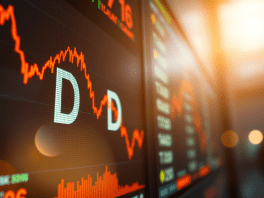
When you see a “D” added to the end of a stock ticker symbol, it’s an important signal that a significant change has occurred with that stock. This “D” indicates a reverse stock split, which directly affects the number of shares you own and the price per share. Here’s what you need to know about reverse splits and how they can impact your investment.
What is a Reverse Stock Split?
A reverse stock split is a process where a company reduces the number of its outstanding shares, causing each share’s price to increase proportionally. For example, in a 1-for-3 reverse split, investors receive one share for every three shares they previously held. Although the share price rises as a result, the overall value of the shares in your portfolio remains the same initially.
To illustrate: If you own 300 shares priced at $10 each, a 1-for-3 reverse split would give you 100 shares priced at $30 each. While your total investment value ($3,000) stays the same, each individual share now holds a higher price.
Why Do Companies Perform Reverse Stock Splits?
There are several reasons a company might implement a reverse stock split:
- To Maintain Stock Exchange Compliance: Public companies listed on major stock exchanges like the NYSE or NASDAQ must often meet minimum price requirements to remain listed. If a company’s stock falls below this threshold, it might enact a reverse split to elevate its share price and avoid delisting.
- To Improve Investor Perception: A low stock price can sometimes create a negative impression, potentially deterring institutional investors. A reverse split can make a company appear more stable by boosting the share price and enhancing its appeal to larger investors.
- To Attract Institutional Investors: Many institutional investors have internal policies that prevent them from investing in stocks priced below a certain amount. By increasing the share price through a reverse split, a company makes its stock more accessible to these investors, potentially boosting demand.
How a Reverse Split Affects Investors
In the days following a reverse split, the stock ticker typically gains a “D” at the end. This temporary addition signals to investors that a reverse split has occurred or is expected. It serves as a caution for anyone analyzing the stock since both the share count and share price have been adjusted.
Reverse splits affect your holdings as follows:
- Share Quantity Decreases: The number of shares you own reduces by the split ratio (e.g., 1-for-2, 1-for-10).
- Share Price Increases: The price per share goes up proportionally to offset the decrease in share count. This adjustment is designed so that the total value of your holdings initially remains unchanged.
Example: 1-for-3 Reverse Split
Suppose you have 90 shares of a stock priced at $15 per share (a total value of $1,350). After a 1-for-3 reverse split, you would own 30 shares priced at $45 per share. Your total investment value would still be $1,350. However, each share now holds a higher value, which can impact how institutional and retail investors perceive the stock.
How a Traditional Stock Split Differs
In contrast to a reverse split, a regular stock split increases the number of shares outstanding and decreases the share price. For example, in a 2-for-1 stock split, shareholders receive two shares for each one they previously owned, and each share is worth half its prior price. A stock split makes shares more affordable for retail investors, potentially increasing demand.
A company might perform a stock split to make its stock more accessible, especially when its share price has grown significantly. By lowering the price per share, the company invites smaller investors to participate and broadens its shareholder base.
Understanding the Impact of Stock Splits and Reverse Splits
Stock splits and reverse stock splits adjust the share price and shares outstanding to make stock more accessible or meet listing requirements. Reverse splits, while sometimes misunderstood, can be strategic moves that provide opportunities to attract new investors and reshape a company’s image. When you see a “D” at the end of a ticker, take a closer look—this temporary addition signals a significant change in the company’s share structure.
For investors, both types of splits highlight how companies actively manage their stock price to align with their broader business goals. As with any stock event, it’s essential to assess the underlying fundamentals to understand the full impact on your portfolio. Whether a stock split or reverse split, knowing what it means can help you make informed investment decisions.