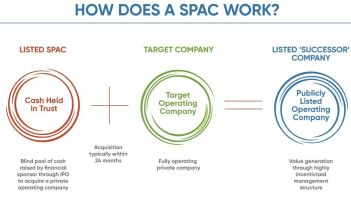
Reverse mergers and SPACs have emerged as popular alternatives to traditional IPOs, offering faster routes to public markets and significant capital-raising opportunities. However, the future of these methods is uncertain, as regulatory changes and evolving market dynamics could reshape the landscape of public listings.
The Rise of Reverse Mergers and SPACs
- Faster Time to Market: Both reverse mergers and SPACs offer a significantly faster path to public markets compared to traditional IPOs.
- Reduced Regulatory Burden: These methods often involve less stringent regulatory requirements, streamlining the process.
- Access to Capital: Reverse mergers and SPACs can provide companies with access to substantial capital.
Potential Challenges and Limitations
- Regulatory Scrutiny: Increased regulatory scrutiny, particularly for SPACs, could lead to stricter rules and higher compliance costs.
- Investor Perception: Investor perception of SPACs and reverse mergers can fluctuate, impacting the valuation of these companies.
- Market Volatility: Market volatility can affect the performance of SPACs and reverse mergers, leading to price fluctuations.
- Dilution of Ownership: Both methods can result in dilution of ownership for existing shareholders.
Emerging Trends and Future Outlook
- Increased Regulatory Oversight: Expect stricter regulations to address concerns about transparency, investor protection, and potential conflicts of interest.
- Decline in SPAC Activity: The frenzied SPAC activity of recent years may slow down as regulatory scrutiny intensifies and investor sentiment shifts.
- Direct Listings: Direct listings, where companies list their shares directly on an exchange without an underwriter, could gain popularity as an alternative to traditional IPOs and SPACs.
- Special Purpose Acquisition Rights (SPARs): SPARs, a newer alternative to SPACs, offer a more flexible and efficient way for companies to go public.
- Cross-Border Listings: Cross-border listings, where companies list their shares on multiple exchanges, could become more common as globalization continues to advance.
The Future of Public Listings
While reverse mergers and SPACs have revolutionized the public listing process, the future landscape is likely to be more diverse. A combination of traditional IPOs, SPACs, direct listings, and other innovative methods may emerge as companies seek the most efficient and effective ways to access public markets.
Cervitude Intelligent Relations can help you navigate the evolving landscape of public listings. Our team of experts can provide tailored advice and support to help you achieve your strategic goals. Contact us today to learn more about how we can assist you.